

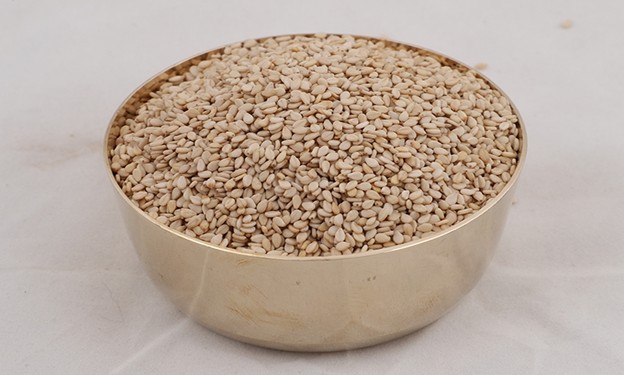
The spice and sesame export market keeps expanding because food manufacturers require stable sourcing throughout commercial production cycles regularly. A dependable sesame seed exporter often manages cleaning, grading, and shipment preparation with careful operational planning daily. Buyers from different countries usually compare freshness, product appearance, and packaging quality before confirming larger commercial orders internationally. Poor storage conditions sometimes reduce sesame quality during transportation through changing climate regions unexpectedly. Export businesses maintaining organized supply systems generally coordinate international shipments more efficiently during competitive trading periods.
Wholesale Supply Chain Systems
Bulk spice trading requires practical coordination because delayed shipments may affect food production schedules within commercial industries globally today. An experienced Spices wholesaler India generally maintains organized inventory tracking systems for smoother order handling and dispatch planning consistently. Buyers often request multiple spice products within one shipment because combined sourcing helps reduce transportation management complications overseas regularly. Some importers also compare supplier responsiveness before establishing long-term trade agreements internationally. Better communication methods usually help wholesalers maintain stronger operational continuity throughout commercial spice export activities.
Packaging for Export Safety
Packaging standards influence shipment safety because damaged export bags sometimes create contamination concerns during customs inspections abroad unexpectedly. A reliable Sesame seeds exporter usually uses moisture-resistant packaging materials for safer product transportation throughout international shipping routes consistently. Weak sealing methods may affect freshness during long freight movement across changing weather conditions globally every year. Buyers generally notice suppliers maintaining cleaner packaging systems and organized warehouse handling practices before repeat purchasing decisions. Proper packaging methods also reduce unnecessary product handling issues during overseas shipment operations.
Processing Quality Requirements
Product cleanliness matters because international buyers inspect spice and sesame quality carefully before approving future commercial purchases regularly. A professional spice wholesaler in India often focuses on grading, machine cleaning, and moisture control before packaging procedures begin completely. Dust contamination or uneven product texture sometimes creates dissatisfaction during food manufacturing operations overseas consistently. Many importers now request laboratory testing reports depending on food safety regulations within different countries worldwide. Cleaner processing systems usually support smoother trade relationships between wholesalers and international commercial buyers steadily.
Bulk Shipment Coordination Methods
Large commercial exports require detailed planning because shipment timing strongly affects warehouse operations and distribution schedules internationally today. An organized sesame seed exporter normally coordinates closely with freight providers before dispatch activities become difficult unexpectedly during high-demand trading periods. Buyers often monitor shipment progress carefully because delivery consistency influences inventory management throughout commercial food industries globally. Export-focused suppliers generally improve communication systems for smoother logistics coordination every single year. Better shipment organization usually strengthens business relationships between exporters and long-term overseas buyers steadily.
Market Changes and Preferences
Buyer expectations continue changing because retail markets now focus heavily on product consistency, packaging quality, and transparent sourcing practices worldwide. An established spice wholesaler in India often adapts supply methods according to importer preferences and commercial distribution requirements regularly. Different countries sometimes request customized packaging sizes depending on warehouse handling systems and retail operations locally. Market competition also encourages suppliers to improve processing standards and shipment coordination continuously. Businesses responding practically to changing industry demands usually maintain stronger commercial opportunities within growing spice export markets internationally.
Conclusion
International spice and sesame trade depends heavily on organized supply systems, practical communication, and cleaner processing standards consistently. Sadbhaavspices.com supports commercial sourcing operations while supplying spice and sesame products for businesses requiring structured export coordination regularly. A dependable sesame seed exporter and experienced spice wholesaler in India generally helps buyers manage procurement activities through better shipment planning and organized product handling overall. Importers usually value suppliers maintaining realistic timelines and transparent documentation throughout business transactions. Companies planning future sourcing operations should compare processing quality, packaging methods, and export experience before selecting reliable trade partners professionally.